
It's just as well kids love cheese because not only is it such an easy and delicious food but it is a healthy alternative to most snacks, being a great source of protein, calcium, phosphorous and essential fats.
Calcium and phosphorous are essential for the development of strong bones and teeth.
The protein content of cheese can be as much as 30% and is comparable with the protein found in meat. Kids need protein to help them grow strong bodies and build a healthy immune system.
Although it is important to control the intake of fats, they are essential in maintaining good health. Omega-3 and Omega-6 promote growth and are said to be beneficial to the heart, lungs, brain and central nervous system.
Cheese is very good for babies and some nutritionists recommend introducing cheese as early as 8 months. Most babies have started to eat yoghurt by this time and providing your baby has no allergies to dairy then introducing lighter tasting cheese is a great idea.
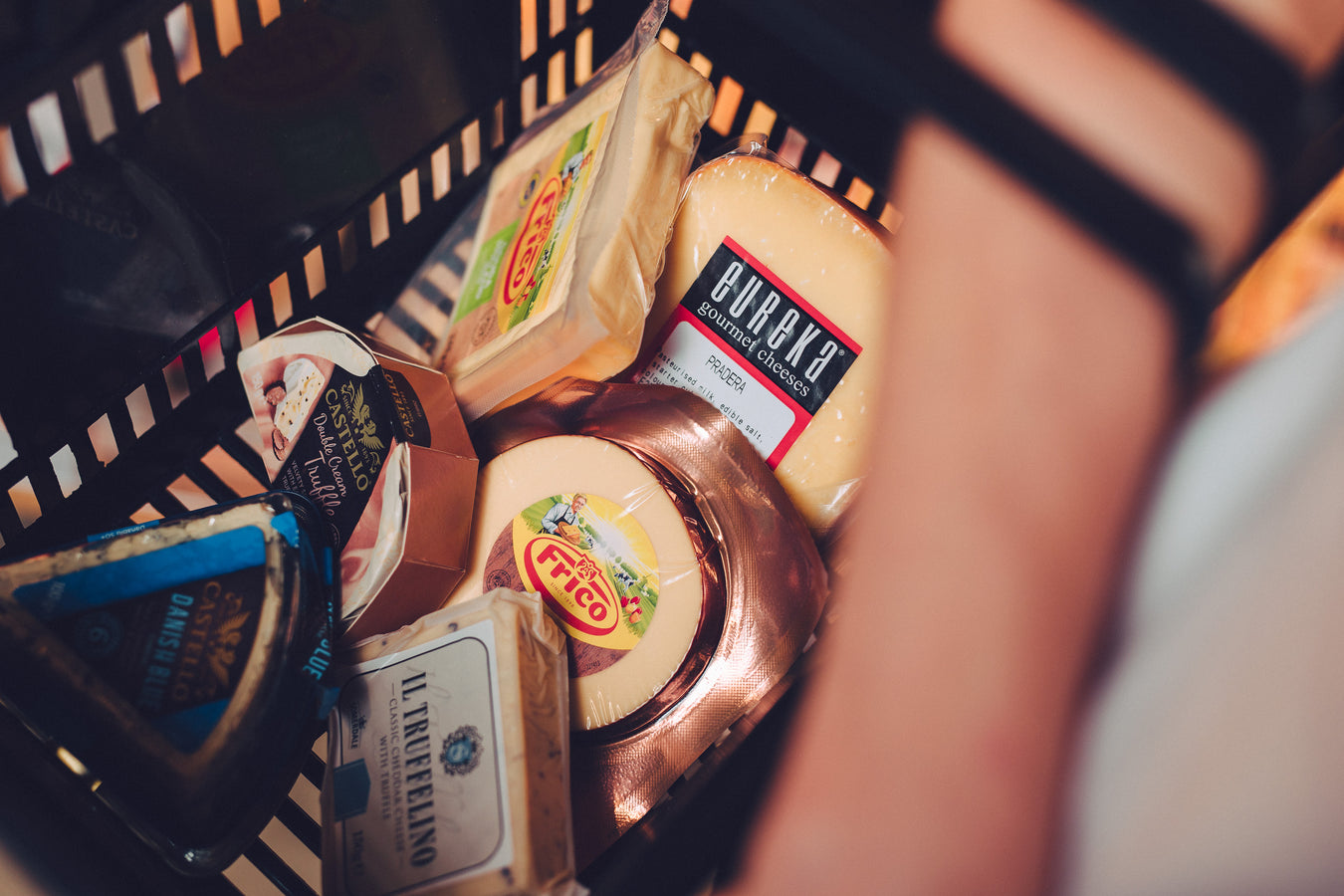
As your child develops a taste for cheese, experiment with different tastes and textures. There are so many different cheeses to choose from, it's worth experimenting with some soft cheese such as brie, ricotta, and camembert (try the Woodside McLaren Vale) as well as hard cheeses like Maffra Red Leicester or Queso de Manchego
The main thing is to keep experimenting and developing your child's taste buds! Cheese is a natural healthy alternative to processed snacks laden with salt or sugar.
It doesn't take much planning to avoid sending your kids to school with processed pre-packaged snacks and foods.
Cheese can be added to wholemeal sandwiches, eaten with carrot and celery sticks or simply cut into portions to snack on.
Let them know where the cheese comes from - kids love to know that they are eating cheese which comes all the way from France or Italy!
Check out our recipes for Spinach, Roast Tomato, Camembert and Prosciutto Rosti Pizza , the Feta and Pistachio Scones, Potato and Rosemary Galette, Polenta and Gruyere Fritters, and Prosciutto, Fontina and Roma Tomato Toasted Sandwich.
Try experimenting with different cheese, fruit, nut and vegetable combinations in salads and a simple cheese tart using Careme Butter Puff Pastry make a simple flan with grated Blue Cow Swiss Gruyere, Hindmarsh Goat Feta or Blue Cow Cheddar - cooking with cheese is so easy!


"How can anyone govern a nation that has two hundred and forty-six different kinds of cheese?"

It takes 10 litres of milk to make 1 kilogram of Cheddar cheese

"For Camembert, one finger on your eye and one on the cheese, if they feel the same, the cheese is ready."

A farm in Sweden sells cheese made out of moose milk for over $1000 a kilo. This could be the most expensive cheese in the world.

"A dinner which ends without cheese is like a beautiful woman with only one eye."

The word "cheese" comes from the latin word "caseus" and casein is the milk protein found in cheese.

Cheese is a valuable source of protein, calcium, phosphorus, amino acids and vitamins A, B12 and D and is very low in cholesterol

Last year Australia produced 342,000 tonnes of cheese with 42% sold overseas earning $789 million in export dollars.

Find the closest shops and
restaurants stocking Blue Cow products.
Sign Up to our monthly newsletter